


Programme Overview
Duration
11 Days · 10 Nnights
Route
Chengdu → Qinghai Province
Highlight
2 Energy industry visits
2 Conservation studies
2 Environmental field studies
6 Iconic Cultural Experiences
Why This Programme
China offers one of the clearest field contexts for understanding ESG, conservation, renewable energy, and sustainable development at scale. Across Chengdu and Qinghai, students examine how biodiversity protection, ancient water management, battery innovation, plateau ecology, wetlands, salt lakes, Tibetan cultural heritage, and solar infrastructure sit within China’s wider sustainability framework.
This is the trip that cannot be approximated closer to home: participants move from panda conservation and Dujiangyan’s 2,000-year-old hydraulic system to the Qinghai-Tibetan Plateau, where high-altitude ecosystems and large-scale clean-energy infrastructure can be studied directly in the field.
What We Do
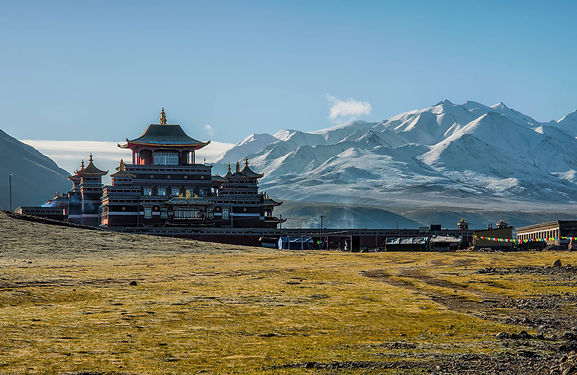
The programme turns China’s ESG landscape into a structured field-learning journey. The Chengdu segment covers panda conservation, ancient hydraulic engineering, new-energy innovation at CATL, Sichuan food culture, and modern urban life. The Qinghai segment moves into plateau ecology, wildlife adaptation, wetland study, Tibetan cultural heritage, geological formations, salt-lake systems, Qinghai Lake, and large-scale solar photovoltaic infrastructure.
Expert-led workshops, field research, museum study, cultural observation, and on-site ecological learning are combined to help students understand how environmental protection, climate action, clean energy, and sustainable development operate in practice.
Key Takeaways
-
Analyse China’s ESG and sustainability framework through direct field exposure to conservation science, renewable energy, biodiversity, and cultural heritage.
-
Connect ancient and modern sustainability by comparing Dujiangyan’s long-term water management system with contemporary energy storage and photovoltaic infrastructure.
-
Explore how geography, altitude, climate, culture, and development pressures shape environmental decision-making on the Qinghai-Tibetan Plateau.
-
Cross-cultural confidence that only comes from direct engagement with industry insiders.
-
Career opportunities strengthened by experience most of your peers don’t have.

Chengdu
China’s gateway to ecological innovation, where panda conservation, ancient hydraulic engineering, and new-energy technology converge within a vibrant modern cultural landscape.
Destinations

Qinghai
China’s ecological frontier on the Qinghai–Tibetan Plateau, encompassing high-altitude biodiversity, fragile wetland and salt-lake systems, Tibetan cultural heritage, and world-leading solar energy infrastructure.
Field Access

Panda Valley
(Wildlife)
Panda conservation and research facility where participants learn about giant panda biology, wildlife conservation, and the protection of endangered species.

CATL Plaza
(New Energy)
Explore cutting-edge battery technology, energy storage systems, low-carbon solutions, and the role of new energy in China’s clean transition.
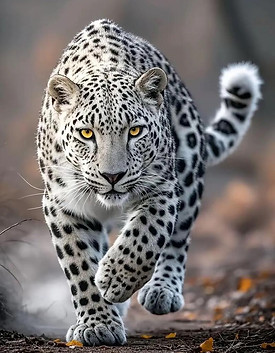
Observe rare plateau species such as Tibetan antelope and snow leopards, with discussion on endangered-species identification, animal rescue, and conservation challenges.
Qinghai-Tibet Plateau Wildlife Park
(Cloud/Platforms)
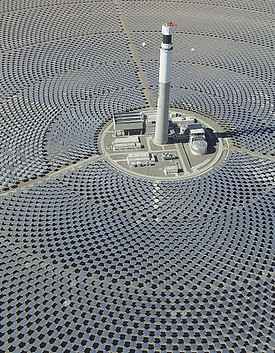
Talatan Solar Photovoltaic Industrial Parko
(Neurotech)
One of the largest solar photovoltaic parks in the world, including water-solar integration, desert restoration, and the “solar panels + grazing” model for sustainable land recovery
Itinerary
CHAKA
Morning - Chaka Salt Lake
One of China’s most famous salt lakes and its striking reflective landscapes, "The Mirror of the Sky".
Discussion: The formation and industrial history of the salt lake.
Afternoon - Transfer to Qinghai Lake & Ecological Observation
China’s largest inland lake, an essential habitat for plateau wildlife and migratory birds.
Discussion: Observe seasonal lake-thaw phenomena and study migratory bird habitats; how ecological restoration efforts have improved wetland health.


MORE TRIPS ON YUHO

Technology & Innovation in China

See how ideas scale into real industrial ecosystems. Robotics, EVs, smart manufacturing, and applied AI — not as theoretical concepts, but as operating systems running at China's speed and density.
[Robotics / Engineering / Manufacturing / AI]
7 DAYS · 6 NIGHT
BEIJING · SHENZHEN
Modern Living in China

Understand Chinese society as it actually is — how history, government, family, commerce, and urban life interact to produce a civilisation unlike any other. This is a unique social system learning opportunity.
[Society / Urban Life / Culture / Systems]
14 DAYS · 13 NIGHT
BEIJING · HANGZHOU · SHANGHAI
China's Creative Odyssey

Design reflects how a society thinks about space, status, memory, and modernity. Students learn to read China's visual culture — from ancient craft to contemporary art and digital design — as a record of civilisation in motion, not a catalogue of aesthetic styles.
[Art / Design / Architecture / Cultural System]
14 DAYS · 13 NIGHT
BEIJING · HANGZHOU · SUZHOU · SHANGHAI